

Designing an operating model around a flexible bench

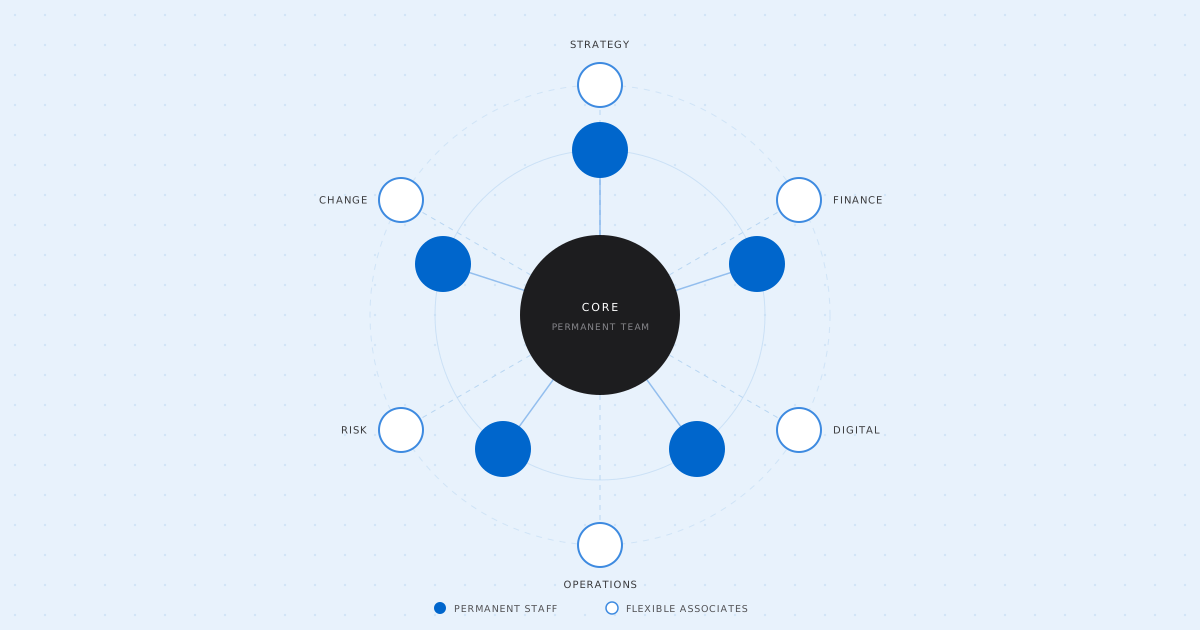
Plenty of firms have access to associates. Far fewer have built an operating model that actually uses them well. The difference shows up in the moments that matter: a proposal that needs a niche expert by Friday, a delivery team that suddenly needs a second pair of hands, a client who asks for a capability you don't keep on staff.
Wire the bench into the sales motion
The biggest unlock is bringing the bench into the proposal stage, not the delivery stage. When your sellers know they can credibly promise a named specialist, they bid for work they would otherwise walk away from. The bench becomes a growth lever, not just a staffing convenience.
That requires visibility. A pool you can actually browse — filtered by sector, skill, and availability — lets a partner shape a team in an afternoon. A pool buried in spreadsheets and inboxes does not.
Keep the terms yours
One of the quiet reasons associate programmes stall is friction at the contracting stage. Every new engagement triggers a fresh negotiation, and momentum dies. We start with a firm's existing associate terms so the bench feels native from day one. Associates onboard onto contracts the firm already trusts, and delivery leads spend their energy on the work rather than the paperwork.
A bench is only as good as the operating model around it. Visibility, terms, and a dedicated owner turn a list of names into capacity you can count on.
Give it an owner
Flexible capacity needs a permanent owner. A dedicated account manager who knows the firm's pipeline, understands which associates have delivered well, and can pre-empt demand is the single biggest predictor of whether a bench gets used. Without that role, even a great pool gathers dust.
Get these three things right — visibility into the pool, contracting on your own terms, and a dedicated owner — and a flexible bench stops being an HR experiment and becomes part of how the firm competes.